Online Invoice Tracker Platforms and Structured Billing Records in Modern Finance Systems
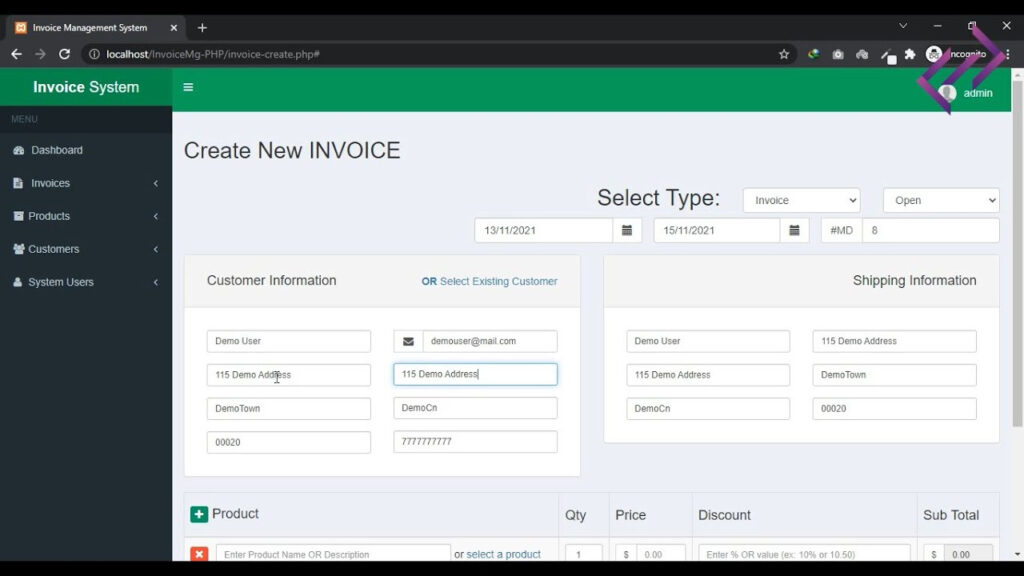
The management of billing and records is now key to organizations’ financial systems. Structured workflows are a key part of maintaining accuracy of invoices and payment histories in companies. As volumes of transactions increase, manual processes are no longer as reliable. Consequently, the organization, tracking and reviewing of billing data with digital tools is now the norm in financial teams across multiple operations.
An online invoice tracker becomes a vital component, ensuring accurate tracking of invoices and orderly payment details. It enables companies to arrange their billing processes with evident standards for documentation, which makes financial records easily traceable and organized throughout time.
Financial Operations and Understanding Online Invoice Tracker Platforms
Today, an online invoice tracker is the hub of the financial activities. Structures billing records in a digital format. It allows businesses to have seamless access to invoices, no matter which department they are in .
Definition of Online Invoice Tracker Systems
Invoice tracking platforms are basically organized digital invoicing solutions. They track the creation of an invoice, whether it has been paid or not, and its client information in one place.The systems take the place of random manual records and keep them in one central location in digital format. They are used by financial teams to have a structured documentation flow.
Core Components of Invoice Tracking Platforms
- This module was designed for invoice generation for billing records.
- The system for monitoring the payment status.
- A layer which interfaces with client databases.
- Financial reporting dashboard
These elements are integrated with each other and managed in a single invoice tracking system by each online invoice tracker.
Role of Online Invoice Tracker in Structured Billing Records
An online invoice tracker is a key element in establishing a streamlined invoice documentation system in financial systems. It groups data into easily predictable structures to ensure longevity of the data record. Structured systems can be used by businesses, such as Constil, to ensure consistency and clarity in billing processes.
Need for uniformity of invoice formats
Standard templates provide consistent billing information in departments. All invoices have the same structure fields. This helps to minimise difference in financial documentation.
Centralized Financial Data Organization
A unified structured system is used for all the billing data. Teams are able to view invoices without having to switch platforms. The payment history of the client continues to match records.
Time-Based Record Structuring
The Invoices are organised by time cycles (weekly period, monthly period, etc.). This structure provides for financial organization reviews. The historical tracking is still available for audits.
Data Accuracy and Integrity in Invoice Tracking Systems
An online invoice tracker will keep things accurate because of its structured validation procedures. Financial information remains the same throughout the multiple entries.
Error Reduction in Manual Billing Processes
Manual billing can result in double counting and inaccuracies. With digital tracking, these inconsistencies are minimized with the help of structured input systems.
Audit-Ready Financial Records
Financial records are kept in an orderly fashion for audit purposes. All transactions have a clearly visible transaction trail. This is in compliance with standards.
Validation Rules in Tracking Systems
Before it is submitted to the system, an invoice is subjected to system rules that check the information on the invoice. Approval flows help to ensure that no incorrect entries are made. There are clear verification processes in place within financial teams.
How Businesses Use Online Invoice Tracker for Workflow Organization
An online invoice tracker is able to help with structured workflow management, even throughout the business sizes. It matches billing procedures to monetary transactions.
Small Business Billing Structure
Businesses of small size have invoices that are streamlined. They keep simple customer information and system for payments. Workflow remains on the tasks of the main billing function.
Enterprise-Level Invoice Management
In a large organization there are several billing departments. All departments have an invoicing routing procedure. The data passes through the steps of various approvals.
Integration With Accounting Software
Modern systems are integrated with ERP and accounting systems. Payment gateways are directly connected with the invoice records. CRM tools also link the information of the clients to the billing systems.
Reporting and Analytics in Invoice Tracking Platforms
An online invoice tracker offers business enterprise structured reporting systems for monetary evaluation. It structures the information on invoices into measurable insights
Revenue Tracking and Financial Insights
Income monitoring is done in a structured way, businesses use dashboards. Invariably, outstanding invoices are visible in real-time. It is easier to get a handle on revenue flow.
Custom Financial Reports
Monthly and quarterly invoice summaries created by teams. Client-based reports provides an insight into payment behavior patterns. Structured reporting format are used in financial departments.
Data Visualization in Billing Systems
Financial activity is represented on graphs and dashboards. Teams are able to see trends in invoice performance. Visuals are organized to aid financial interpretation.
Security and Compliance in Online Invoice Tracker Systems
Security is what equals trust in an on-line invoice tracker atmosphere. Financial data is protected on systems to high standards.
Data Protection Measures
Invicerecord encryption safeguards against unauthorized access to the invoice records. Secure entrance to the platforms. Financial information continues to be kept secure with multiple security layers.
Compliance With Financial Regulations
A system of invoices is in line with tax and financial reporting requirements. Records continue to meet the requirements of audit requirements. Structured compliance means that data will remain reliable.
Access Control and User Roles
Only administrators can manage system permissions. Staff only have access to financial information that is necessary. Record Security is maintained based on roles.
Challenges in Invoice Tracking and Record Structuring
Operating an online invoice tracker is not easy in finances.
Data Entry Inconsistencies
There are some workflows where manual input is still taking place due to them being wrong. This is due to these discrepancies, which impact on record alignment. Teams must have good data discipline.
Integration Limitations With Legacy Systems
Historically, accounting platforms may lack the flexibility to seamlessly integrate with the rest of the business. Data migration leaves data gaps. This impacts the ability to have a smooth workflow.
User Adoption and Training Gaps
Adaptation of the system is a challenge for some teams. Inconsistency in usage is due to lack of structured training. There are temporary productivity gaps faced by the organizations.
Future of Online Invoice Tracker Platforms
Online invoice tracking is an ever-evolving concept with digital finance. Systems are now moving towards automation and predictive structures.
AI-Driven Invoice Categorization
AI categorizes invoices according to pattern. Financial data is automatically tagged to become more structured.
Predictive Financial Tracking Systems
Future systems are used to analyse the trends of payment behaviour. Data models add structure to financial forecasting, enabling it to be accurate.
Systems that synchronise the payment along real time
Invoices will be synced instantly across regions in the invoice system. Financial Records will be up to date immediately. Global billing systems move towards unified systems.
Conclusion
An online invoice tracker can be a critical part of organized monetary records for contemporary companies. It streamlines billing information, minimises inconsistencies, and enhances record clarity. Having the right tracking systems in place ensures that financial teams can track and maintain accuracy and compliance more efficiently. In today’s digital financial landscape, structured invoice tracking becomes a crucial aspect to ensure accurate documentation, transparency, and sustainable financial stability in business operations.
FAQs
What is an online invoice tracker?
An online invoice tracker is a digital application for managing invoices, payments and billing documents. It provides a clear financial picture of the business.
What is the purpose of the invoice tracking system in a business?
Invoice tracking systems are essential for businesses for their billing processes to run smoothly and accurately. These systems also streamline the payment monitoring processes.
How invoice tracking platforms ensure data accuracy?
Validation rules, structured entry systems and approval workflows are all included in invoice platforms to help minimize record inconsistencies. This provides more certain financial records.
Is invoice tracking right for enterprise businesses?
These systems are used by enterprise organizations to manage the large-scale billing operation of the organization across various departments. Structured Reporting and centralised records ensure consistency of workflow.







Post Comment