Lifestyle Transformation Program Systems and Modern Wellness Structures
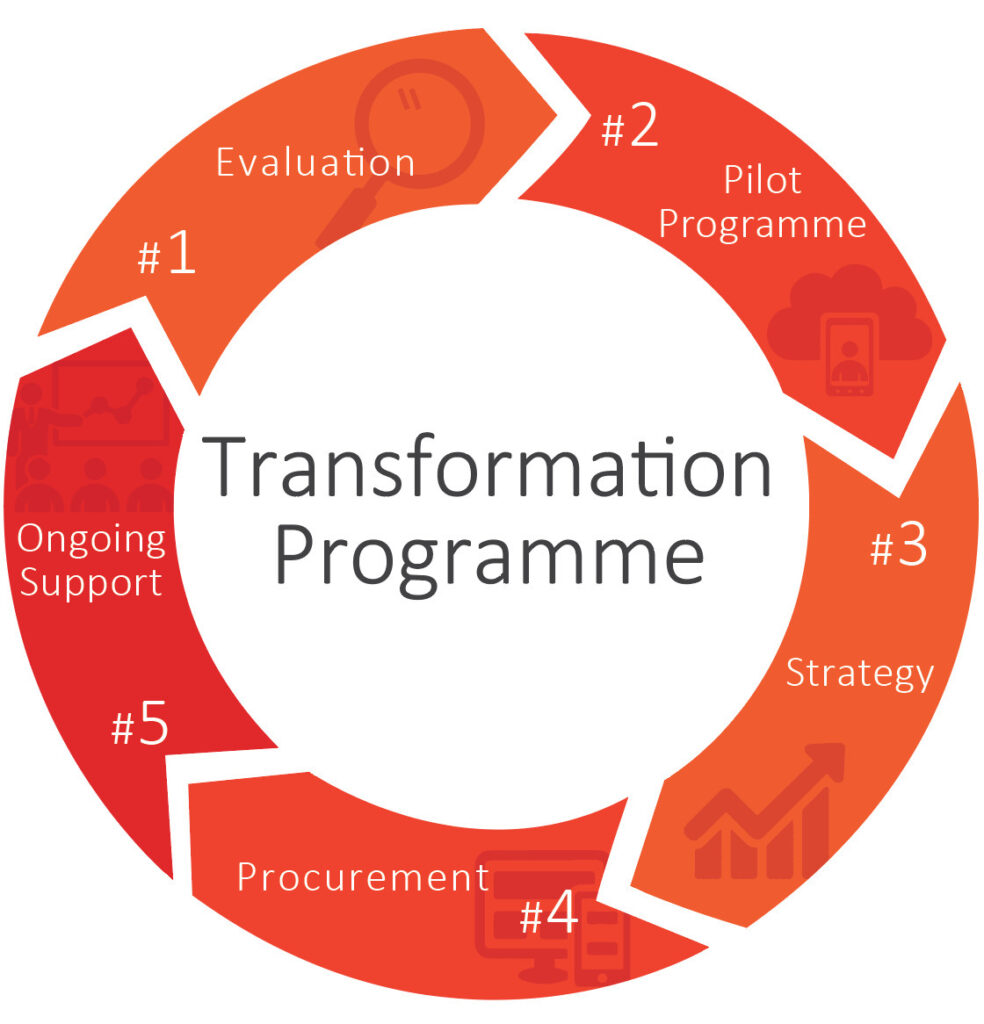
Today, well-being culture is more than a thing; it’s a system of lifestyles and their regular routines. Individuals looking for structured schedules that support their physical health, mental balance, and sustainable practices. Structured planning techniques are now influencing many aspects of the daily life and behaviours of many lifestyles as the wellness movement grows.
Many people are on a lifestyle transformation programme to keep their lifestyle consistent and structured with respect to personal growth. Wellness planning, accountability systems, and well-being activities can all be included in these systems. Consequently, individuals become well-structured and establish routines that match today’s wellness practices and lifelong balance.
Understanding Lifestyle Transformation Program Systems
A lifestyle change program establishes a structure for planning for good health, for managing your own health day-to-day. It structures wellness objectives into easy and clear systems.
Definition of Lifestyle Transformation Programs
Lifestyle transformation systems are systems that are geared towards organized and structured behavioural patterns and the planning of wellness. These systems help people to go through regular activities instead of haphazard lifestyle patterns.
Organized wellness structures are now favoured as they give direction and structure to people’s wellness journeys. It’s easier to be consistent when people do a well-organised system of activities rather than random ones.
Core Elements of Lifestyle Transformation Systems
There are a number of fundamental elements of today’s wellness systems:
- Daily routine planning
- Wellness tracking methods
- Mindset-focused activities
- Accountability structures
These are used to manage a routine and an organized lifestyle. They also help to establish structure in the wellness-related activities.
Role of Lifestyle Transformation Program in Daily Routine Stability
One of the most critical parts of a lifestyle change programme is the structuring of daily routines and discipline for lifelong wellness. Sustainable lifestyle systems continue to be crucial by being consistent.
Building Consistent Daily Habits
Planned morning/evening routines are often a part of a structured routine. People do things on a regular basis that promote their health in order to be consistent and disciplined.
Over time, smaller behavioural patterns typically influence the larger lifestyle patterns. Routine familiarity and mental organisation come from consistent scheduling.
Time Management and Lifestyle Structure
Time planning will always be a key element in organized wellness planning. Structured schedules help avoid confusion and balance personal and professional life.
Wellness activities are often broken up into smaller segments of time during the day. This structure provides structure for the day and organisation of behaviour.
Mental Discipline in Lifestyle Planning
Long-term stability of routine is affected by mental discipline. People have similar actions; actions are planned and repeated.
Consistency is also driven by accountability and by being aware of the behaviours. Individuals who are adhering to a system tend to have a more clear wellness direction.
Wellness Culture and Structured Lifestyle Systems
In today’s wellness culture, it’s a new focus of consistency, mindfulness and personal planning. Digital communities also impact on various lifestyles and health behaviours.
Rise of Holistic Wellness Communities
There are ongoing developments of holistic wellness communities, not only through digital platforms but also via social conversations. There are now numerous people who engage in a structured wellness talk on the Internet.
The communities tend to emphasise well-balanced routines, behavioural awareness and lifestyle planning. Experiences make accountability and routine motivators.
Digital Wellness Platforms and Coaching Models
Digital wellness platforms have become the influencing factors of many structured wellness platforms. Online courses coordinate wellness planning activities via scheduling tools and planned approaches.
Coaching models also emphasise the structure of behaviour and routines in terms of managing routines. People engage in systematic structures which correspond to the contemporary culture of wellbeing.
Social Influence on Lifestyle Planning
Social platforms have a tremendous impact on how people in today’s society plan their lifestyles. Health fads and organised programmes take on a life of their own in the digital world.
People now value and modify various wellness systems, or models, according to their shared experiences. This visibility impacts how people arrange their everyday life and personal behaviours.
Personal Development Through Lifestyle Transformation Program
A lifestyle change program is likely to integrate personal development and structure of behaviours with discipline of wellness. The consistent routine with the awareness of a mindset and wellness planning is reflected on platforms such as beautifulbyregina. The consistency of things in the routine has a lot of impact on personal development on a long-term basis.
Mindset Alignment and Self-Discipline
Stability in structured wellness systems is achieved by having aligned mindsets. Routines are better established when activities are in sync with the values of the people.
Self-discipline also helps to increase consistency of the routine in the long term. Structured planning is useful to minimise distractions and keep behaviours on track.
Physical and Emotional Wellness Connection
Emotional balance and routine often go hand-in-hand with physical wellness. Stable sleep routines, health practices and structured daily schedules are related to daily stability.
Structured lifestyle planning enables people to have a higher level of emotional awareness. There are routines, and they help minimise unpredictable situations and provide clarity.
Long-Term Lifestyle Sustainability
The sustainable wellness systems target consistency as opposed to momentary motivation. People plan things realistically and have a structure for regularity.
A healthy lifestyle for the long term requires flexibility in routines and consciousness of behaviours. The structured systems provide continuity in the altering lifestyle circumstances.
Common Challenges in Lifestyle Transformation Systems
Even with a structured wellness programme, consistency and routine management is a challenge. Sometimes, people have behaviour challenges in making long range plans.
Lack of Routine Consistency
Consistency is often an issue. Irregularities in daily schedules or routines can disrupt behaviour and structure.
It’s normal for people to find it difficult to keep up habits when they’re experiencing stress or a big change in their lifestyle. In such cases, structured accountability is frequently required.
Unrealistic Lifestyle Expectations
Too high expectations can result in frustration in wellness systems. Too much planning/focus on schedules decreases long-term consistency.
Wellness routines tend to be better adhered to by balanced and realistic wellness structures. Practical day-to-day management of sustainable systems is needed.
Limited Accountability Structures
Many people have problems going without systems of accountability or routine monitoring. If there’s a lack of direction, consistency and behavioural discipline can be problems.
Systematic accountability promotes awareness and organised monitoring of health. This process enhances a sense of commitment in the long term.
Technology and Modern Lifestyle Transformation Platforms
Nowadays, people’s structures of wellness and daily behaviours are affected by the use of technology. The impact of digital tools on the ways in which people plan their lifestyle today does not stop.
Mobile Wellness Applications
Wellness activities are scheduled, reminded and tracked in a mobile application. Lots of individuals depend on digital planning for uniformity.
They are applications that keep an eye on the wellness objectives and organised activities. Daily tracking also can raise awareness of behaviour.
AI-Based Wellness Recommendations
AI has an impact on digital wellness systems and behavioural planning models. Data analysis is used to organise wellness routines and personalised recommendations.
Behavioural patterns are monitored by AI systems, and changes to the routine are recommended. This technology is still growing and evolving in the wellness platform.
Virtual Coaching and Online Communities
Virtual coaching platforms are set up to deliver wellness advice via digital communication systems. Structured environments of accountability can also be formed in online communities.
Wellness conversations and protocols are now virtual. This access helps to define the current culture and routine of wellness.
Future of Lifestyle Transformation Program Systems
The lifestyle transformation program is continually evolving, along with the digital wellness trends and the behavioural technologies. Structured systems are likely to continue to be an integral part of the modern wellness culture.
Personalized Wellness Ecosystems
Wellness systems of the future will emphasise more individual routine systems. Wellness management will be personalised using personalised planning models.
A structured routine will be based on behavioural analysis and lifestyle preferences. Wellness systems will become more and more individualised.
Data-Driven Lifestyle Analysis
Many wellness planning decisions are now being made by the analysis of data. Behavioural tracking systems provide the routine information in a measurable format of wellness insights.
Digital metrics are becoming a vital resource for people to keep track and promote wellness awareness and consistency. Structured analysis influences decisions for long-term planning.
Integrated Wellness Technology
Integrated technology will continue to influence systems of wellness management. Smart devices and synchronised platforms now have an impact on daily life and programmed activities.
Ecosystems continue to grow for digital wellness in various lifestyle contexts. The systems are a reflection of the increasing ties within the wellness culture and structured planning.
Conclusion
Today’s culture surrounding wellness is more structured, consistent and organized with regard to behaviour. This trend towards planning one’s routine and maintaining lifestyle stability is reflected in a lifestyle transformation programme. Today, organised systems for wellness are reaching into many environments, affecting personal growth, the discipline of the mind and everyday organisation. Digital wellness platforms are still in a state of flux, and people are going to increasingly need to use models of structured planning to help them maintain a well-rounded, sustainable lifestyle.
FAQs
A lifestyle transformation programme is a program that aims to transform your lifestyle.
A lifestyle transformation programme is a well-structured wellness programme that works on lifestyle routines and consistency of thoughts and actions over time. It sets up daily habits into easy-to-deal-with lifestyle structures.
What are the reasons for people to join well-being systems that are organised?
Structured wellness systems are followed by people in order to keep the routines and orderly personal habits. These systems provide uniformity for the wellness activities that take place.
What impact does consistency have on wellness planning?
Predictability of routine leads to predictable day to day patterns and discipline in behaviour. Having an organised schedule also helps to balance personal and professional life.
What are some of the issues that arise when planning for life in the long term?
There are many people who have not been able to cope with their unrealistic expectations and chaotic routines. Another potential area where a lack of accountability can be an issue is in long-term wellness discipline.







Post Comment